
Introduction
Learning should feel good, or better stated, gratifying. The stronger the emotional response, the better the retention of learning. Let’s take a look at what chemically happens in the brain when we struggle, succeed, and enjoy what we are doing.
Presentation from WITEA 2026
https://docs.google.com/presentation/d/1AJI99rjDdwR-ThZ_jpfGhp1kkLFkxI-5-ZE8TPZG3-Y/edit?usp=sharing
The Neuron Newsletter
The Enterprise AI Platform War Has a Scoreboard Now. Anthropic Is Winning. – from 3-12-2026
- Start the audio at the 6:15 minute mark
Remote for Slides (Google Slides Remote Presenter Control for a Phone)
https://chromewebstore.google.com/detail/remote-for-slides/pojijacppbhikhkmegdoechbfiiibppi?pli=1
Podcast Generated by NotebookLM
Pre-session Survey
- Ask me a question with Google Forms
- Add to our Dotstorming Wall
- What would you like to learn from this workshop?
TPEP (Danielson format) Survey (Optional)
- Take the Session TPEP Prioritization Agenda Survey
- What domains and components would you like highlighted through this workshop?
Post-session Survey
- Please fill in the What Works and What Doesn’t Google Form
- Here is another version of the Teacher Feedback Form
- This will help improve these workshops – THANKS!
- Importance of Frequent, Quality Formative Assessment
- Happiness
- TPEP Documents for This Workshop
- Warm Up
- Watch Key and Peele TeachingCenter video
- Review Pre-session survey questions with Google Forms
- What would you like to learn from this workshop?
- Objective of Workshop
- Save time and be more efficient
- Be like water. – Bruce Lee
- Learn about tools to search and organize online content
- Introduction
- Scott Le Duc
- scottleduc@gmail.com
- sleduc@osd.wednet.edu (Capital High School)
- ScottLeDuc.org
- capital.osd.wednet.edu
- Scott Le Duc
- Why We Do What We Do
- Andragogy
- Definition
- Zooming In and Out in a Web Browser
- Type COMMAND (Mac) and “+” to zoom in and “-” to zoom out
- Type CONTROL (Win) and “+” to zoom in and “-” to zoom out
- Feedback is Important
- The more frequent the feedback, the quicker and better the improvement
- But What to Give Feedback?
- Need to establish the core of what we hope the learner to learn
You Need a “DOSE” of These 4 Chemicals
- Dopamine
- Oxytocin
- Serotonin
- Endorphins
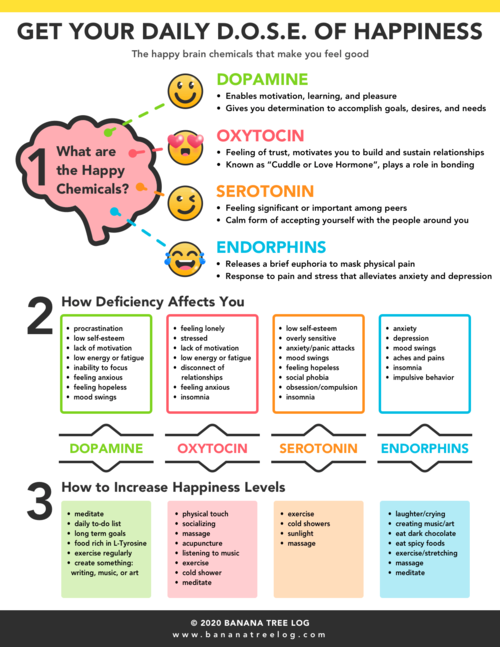
- Review this infographic for 5 minutes (Click for a larger PDF version)
- If you want, read more at bananatreelog.com/blog/daily-dose-of-happiness-chemicals
Why? Because Stress Kills Learning and Much More!!!
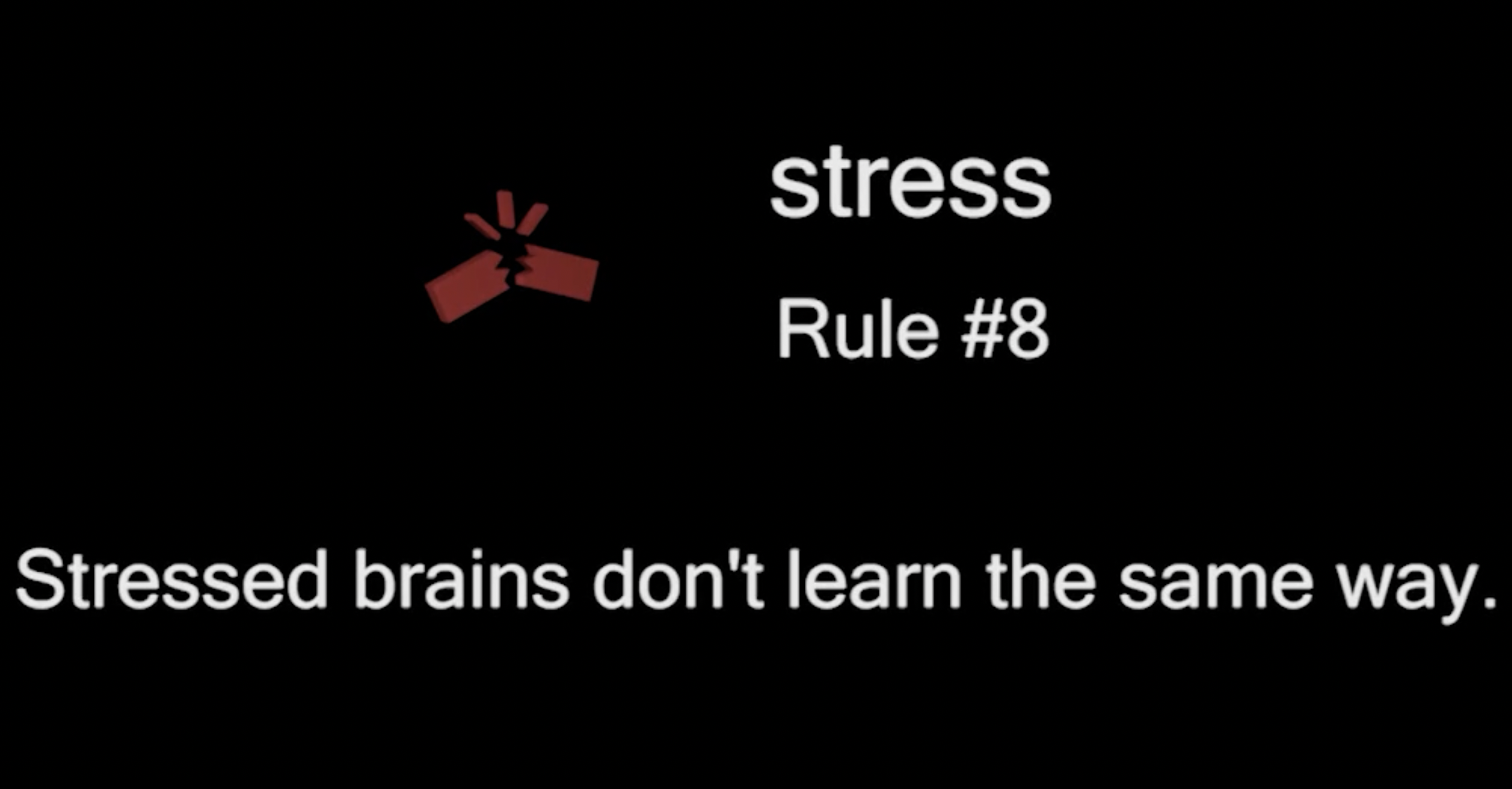
- BrainRule #8 at BrainRules.net
- About 3 minutes
People Just Want to Be Happy
- Rhona Raskin of Rhona at Night
- People will do whatever it takes to be happy
Scott’s Quest for Happiness
- Age 55 – Never drunk or high (from illegal drugs or alcohol)
- Age 16 – Took a stance on drugs and alcohol
- Lost social capital, but…
- Bicycles across the USA, looking for hero Kerry Livgren
- Watch and listen to Kansas – Carry on Wayward Son
- Play the first minute and a half
- Play scene from Kansas – Miracles out of Know Documentary
- Start at 53:40
- About 3 minutes
- Happiness is found in being of service, giving, and teaching
4 Chemicals That Activate Happiness, and How to Gamify Them
Hacking Into Your Happy Chemicals: Dopamine, Serotonin, Endorphins, and Oxytocin
Positive Brains Are Smarter Brains
Dopamine Resources
- The Neuroscience Perseverance
– Psychology Today- “Neuroscientists have known for years that dopamine is linked to positive behavior reinforcement and the ‘ding, ding, ding’ jackpot feeling you get when you accomplish a goal. Recently, they have also discovered the specific receptors that link dopamine directly to the formation of good and bad habits.”
- Read the article to find out more about these:
- PICTURE YOURSELF AS A HUMAN “LAB RAT” IN A SKINNER BOX
- THE ‘PLEASURE PRINCIPLE’ TRUMPS ‘WILL-POWER’ EVERY TIME
- NOT ACHIEVING GOALS DRIES UP YOUR DOPAMINE RESERVES
- EXPECTATION AND BELIEF CAN PRODUCE DOPAMINE
- BE METHODICAL: CREATE SELF-IMPOSED DEADLINES
- TURN A MOUNTAIN INTO “MOLE-HILLS” OF DOPAMINE RELEASE
- BE YOUR OWN CHEERING SQUAD: LEARN TO SAY “YES! I DID IT!”
- The Science of Motivation your Brain on Dopamine – Blog IDoneThis
- “Motivation is a tricky thing to corral. Tricky, but not impossible.”
Oxytocin Resource
- Psychology Today on Oxytocin
- Video About 3:20 minutes
- http://www.oxytocincentral.com – Oxytocin affects our feelings and emotions, but oxytocin is also a Super-Hero in the way it impacts our bodies. Oxytocin has been linked to more restful sleep. Lower blood pressure. Reduced stress. Less pain. Improved healing. Weight loss. There are many natural methods by which to release a constant flow of oxytocin. Many of these require human contact, such as gentle touches and hugging. There are also oxytocin supplements available which can increase oxytocin levels in our bodies.
- Study.com – What Is Oxytocin? – Definition, Function & Side Effects
Non-Cognitive Skills Development Resources
- Listen to the 2nd act of the radio program This American Life
- About 14 minutes
Read How Children Succeed by Paul Tough
- The book details at Goodreads.com
- Marshmallow Test Video
Dr. Becky Kennedy on What Resilience Feels Like
Happiness Presentations
- The happy secret to better work by Shawn Achor at TED.com
- Play the video from 10:05
- About 2 minutes
- Heal your brain with video games by Jane McGonigal at TED.com
- Play the video from 12:00
- About 7.5 minutes
How to Rewire Your Burned-Out Brain: Tips from a Neurologist
Using Brain Breaks to Restore Students’ Focus
Scott Le Duc’s Resources for Presentation
- RemNote
- Google NotebookLM
- Audible.com bookmarks
- Scott’s Diigo Social Bookmarks
- Scott’s Class Blog, capitalcomtech.info
- Scott’s Blog Post Templates are here, mrleduc.edublogs.org
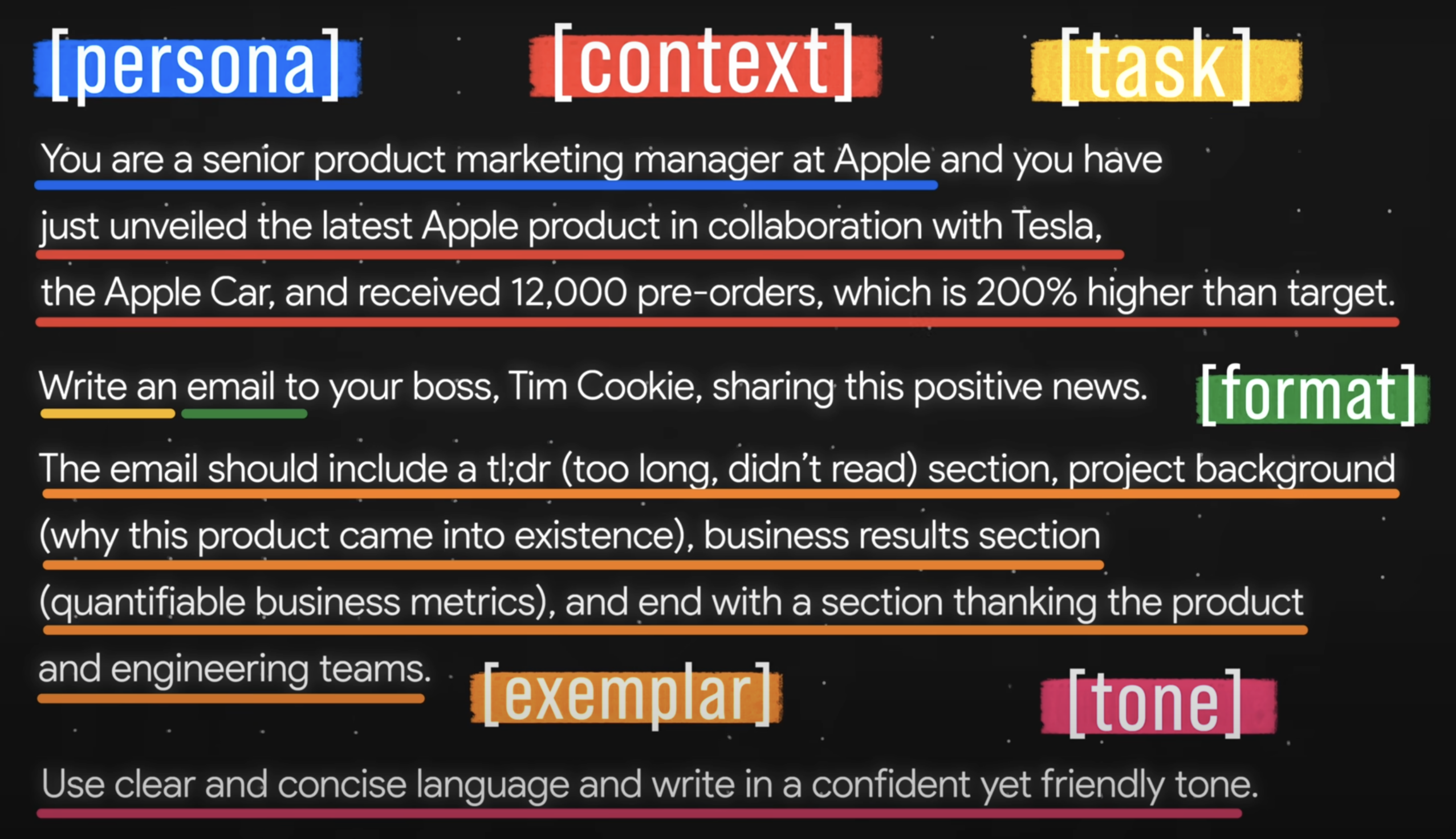
Jeff Su’s Master the Perfect ChatGPT Prompt Formula (in just 8 minutes)!
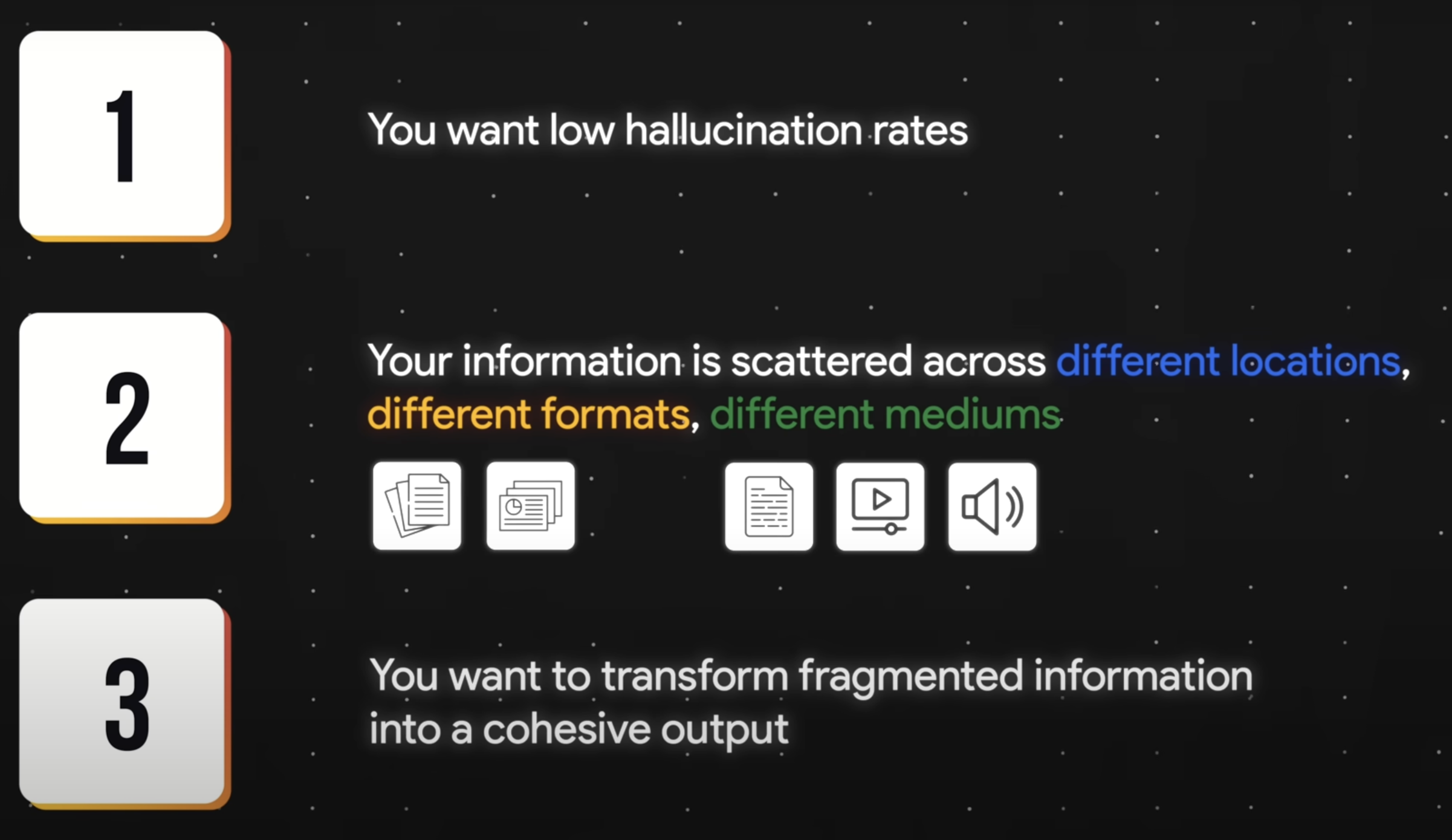
Jeff Su’s Learn 80% of NotebookLM in Under 13 Minutes!
Pre-Session Poll Results
PROMPT: You are a professional presenter and educator. You are presenting at a CTE conference and presenting on how to create better socially and emotionally resilient students. The audience is career and tech teachers. Use the resources in this notebook to create a short bulleted list of material to answer the questions included below from the survey responses from conference session attendees. Here are the poll results…
- Tips for students who want to use their phone (instead of classroom laptop) for all projects.
- How do you raise awareness in students without sounding preachy, judgmental and like an adult?
- The line between teaching life skills and trying to maintain “industry standards”
- How to get students to be willing to do hard things
- How to get buy-in in an IB course such as TOK. What is the epistemological drug?
NotebookLM’s Results
Tips for Students Who Want to Use Their Phone (Instead of a Classroom Laptop) for All Projects:
• The provided sources do not contain specific information or tips directly addressing student preferences for using phones over laptops for project work. My material focuses more on the neurochemistry of learning and general engagement strategies.
How to Raise Awareness in Students Without Sounding Preachy, Judgmental, and Like an Adult:
• Focus on the “Why”: Explain what chemically happens in the brain when students struggle, succeed, and enjoy what they are doing. This scientific approach helps demystify feelings and actions without judgment.
• Highlight the “DOSE” Chemicals: Introduce the concept of Dopamine, Oxytocin, Serotonin, and Endorphins as the brain’s natural “happiness chemicals”. Raising awareness of these allows students to understand how to naturally enhance their well-being and learning.
• Emphasize Gratifying Learning: Explain that learning should feel good, or gratifying, because the stronger the emotional response, the better the learning retention. This frames learning as an intrinsically rewarding experience.
• Leverage External Expertise and Diverse Media: Utilize TED Talks, educational videos (e.g., Key and Peele TeachingCenter, Shawn Achor, Jane McGonigal), and articles from reputable sources (e.g., Edutopia, Psychology Today, BrainRules.net)…. Presenting information through multiple lenses and voices beyond your own can make it less “preachy.”
• Prioritize Frequent, Quality Feedback: Provide frequent feedback, as it leads to quicker and better improvement. This builds a supportive relationship where guidance is perceived as help, not judgment.
• Encourage Self-Reflection: Prompt students to reflect on how they structure their day to maximize their production of “DOSE” chemicals, fostering self-awareness and personal responsibility.
• Personal Connection (Carefully Applied): Share a relevant, brief personal anecdote that illustrates a concept without imposing beliefs, like Scott Le Duc’s experience with making a stance on drugs and alcohol at age 16 and finding happiness in teaching.
The Line Between Teaching Life Skills and Trying to Maintain “Industry Standards”:
• The sources suggest that teaching life skills, particularly those related to social-emotional well-being, is foundational to achieving “industry standards”.
• Happiness and reduced stress are crucial for learning: “Learning should feel good or better stated, gratifying”. “Stress Kills Learning and Much More!!!”3. “Positive Brains Are Smarter Brains”. By fostering a positive emotional state (a life skill), you optimize students’ cognitive abilities, making them more capable of meeting demanding standards.
• The objective of the workshop includes helping educators “Save time and be more efficient” and “Learn about tools to search and organize online content”. These are practical skills that enhance both personal productivity (life skill) and professional effectiveness (industry standard).
• “Non-Cognitive Skills Development” is a key focus, with resources like “How Children Succeed” and the Marshmallow Test8. These skills, such as perseverance, self-control, and resilience, are vital life skills that directly impact a student’s ability to engage with complex material, persist through challenges, and ultimately meet rigorous industry benchmarks.
• By focusing on emotional resilience and positive psychological states, we are not diverting from industry standards but rather empowering students with the mental fortitude and intrinsic motivation needed to excel within those standards.
How to Get Students to Be Willing to Do Hard Things:
• Leverage Dopamine: Dopamine is directly linked to positive behavior reinforcement and the “ding, ding, ding” jackpot feeling you get when accomplishing a goal. It’s crucial for motivation.
• Break Down “Mountains” into “Mole-Hills”: To encourage students to tackle difficult tasks, turn a mountain into “mole-hills” of dopamine release. Break large, challenging assignments into smaller, achievable steps. Each completed step provides a sense of accomplishment and a dopamine boost, fueling further effort.
• Harness the “Pleasure Principle”: Understand that “the ‘pleasure principle’ trumps ‘will-power’ every time”6. Design tasks or feedback loops that make progress feel inherently rewarding.
• Cultivate Expectation and Belief: “Expectation and belief can produce dopamine”. Help students visualize success and believe in their ability to achieve it, even when the task is hard.
• Celebrate Small Wins: Encourage students to “Be your own cheering squad: Learn to say ‘YES! I DID IT!” after completing each “mole-hill”. Celebrating progress reinforces the behavior.
• Minimize Stress: Remember that “Stress Kills Learning and Much More!!!”. If doing hard things feels overwhelmingly stressful, it will inhibit engagement. Strategies to reduce stress, such as fostering restful sleep and potentially incorporating social connections (Oxytocin), can help.
• Develop Non-Cognitive Skills: Resources like “How Children Succeed” highlight the importance of grit and perseverance, which are essential for tackling difficult tasks.
How to Get Buy-in in an IB Course Such as TOK. What is the Epistemological Drug?
• Getting Buy-in:
◦ Make Learning Gratifying: The core principle is that “Learning should feel good, or better stated, gratifying”. For TOK, this means finding ways to make the exploration of knowledge itself rewarding.
◦ Strategic Use of “DOSE” Chemicals:
▪ Dopamine: Provide clear, incremental “goals” in TOK activities (e.g., mastering a knowledge claim, successfully leading a discussion, making a strong argument). Each accomplishment should trigger that “jackpot feeling”. Break down complex epistemological inquiries into smaller, manageable steps.
▪ Oxytocin: Foster a supportive, collaborative classroom environment. Building trust and connection among students can increase comfort in sharing diverse perspectives, crucial for TOK discussions. Oxytocin also contributes to reduced stress.
▪ Gamification: Consider how to gamify aspects of TOK to increase engagement and dopamine release.
◦ Focus on Positive Brains: “Positive Brains Are Smarter Brains”5. Creating an environment where students feel positive about the challenge of TOK will lead to better engagement and understanding.
◦ Frequent Feedback: Regular, constructive feedback helps students feel supported and understand their progress in a complex course, encouraging continued engagement.
• What is the “Epistemological Drug”?
◦ Drawing from the workshop’s central theme, the “epistemological drug” refers to the natural “DOSE” chemicals—Dopamine, Oxytocin, Serotonin, and Endorphins—that make the process of acquiring and understanding knowledge feel inherently gratifying and rewarding.
◦ It’s about the neurochemical high you get from intellectual discovery and mastery.
◦ Specifically, Dopamine is key here, as it’s linked to the “jackpot feeling” of accomplishment and is produced by expectation and belief. When students anticipate and achieve a deeper understanding of knowledge (epistemology), their brains are rewarded with dopamine, making the pursuit of knowledge addictive in a positive way.
◦ The overall aim is to “hook” students on the intrinsic satisfaction and happiness derived from engaging with complex ideas and achieving intellectual breakthroughs in TOK, much like the brain’s reward system for other positive experiences.
Thank you for your engagement and insightful questions. I hope these points provide a valuable framework for fostering resilience and deeper learning in your CTE programs.
Post-session Survey
- Please fill in the anonymous What Works and What Doesn’t Google Form
- Here is another version with names: More of, Less of Feedback Form
- This will help improve these workshops – THANKS!
 Scott Le Duc