
Presentation Summary
Help students go from apathy to passion. Help students identify their WHY to give PURPOSE to their WHAT. “When you know your WHY, your WHAT becomes more impactful because you’re walking towards or in your PURPOSE.” – Michael Jr. This content especially helps in project-based learning, where students need to know what they are doing and how to do it. Use AI tools to efficiently and effectively engage students and help them build their own learning experience. Essentially, do what Eric Belgau, one of our advisory members, stated best: “Know your lane, stay in it and drive fast.”
Presentation from WITEA 2026
https://docs.google.com/presentation/d/1dUm1kswZx8Hqn3vTPioO1XyMAHvXpd4G4OrR6IQcYz0/edit?usp=sharing
Podcast Generated by NotebookLM
The Neuron Newsletter
The Enterprise AI Platform War Has a Scoreboard Now. Anthropic Is Winning. – from 3-12-2026
- Start the audio at the 6:15 minute mark
Remote for Slides (Google Slides Remote Presenter Control for a Phone)
https://chromewebstore.google.com/detail/remote-for-slides/pojijacppbhikhkmegdoechbfiiibppi?pli=1
Pre-session Survey
- Ask me a question with Google Forms
Post-session Survey
- Please fill in the What Works and What Doesn’t Google Form
- Here is another version of the Teacher Feedback Form
- This will help improve these workshops – THANKS!
Contribute to the TPEP Survey (Longer Workshops)

- Take the Presentation / Session TPEP Prioritization Agenda Survey
- This is a standards-based presentation/session
- Gathering data from students/teachers can help you prioritize the most engaging content
- Scott placed the TPEP standards which are based on the Danielson Model in a Google Form
- What would you like to learn from this session?
- What domains and components (Standards) would you like highlighted through this session?
- Data gathering is essential for tracking growth, help Scott differentiate the experience to your needs
Review Participant Data To Set Session Goals
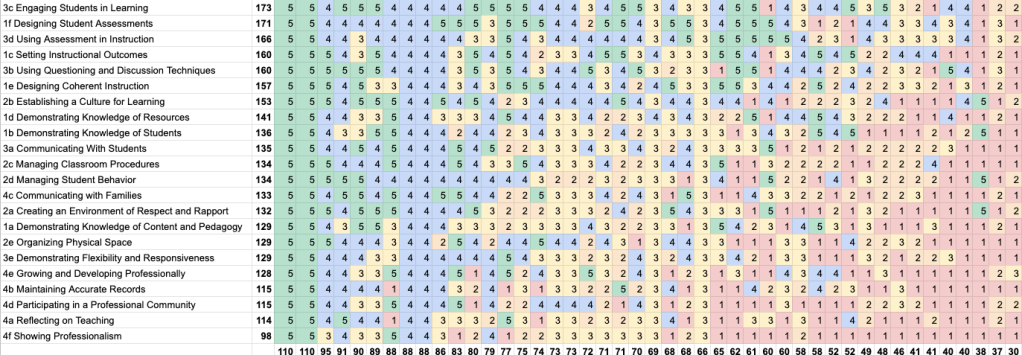
- Review the spreadsheet of data (Link is only for Scott to use live)
- Watch Scott’s Session Goal Setting with Data YouTube Tutorial
Top TPEP Requested Component…
- #1 is… 3c Engaging Student Learners (Danielson description PDF), example student behaviors below:
- Students take the initiative to improve the lesson by (1) modifying a learning task to make it more meaningful or relevant to their needs, (2) suggesting modifications to the grouping patterns used, and/or (3) suggesting modifications or additions to the materials being used.
- Students have an opportunity for reflection and closure on the lesson to consolidate their understanding.
- Students are asked to write an essay in the style of Hemmingway and to describe which aspects of his style they have incorporated.
- Students determine which of several tools—e.g., a protractor, spreadsheet, or graphing calculator—would be most suitable to solve a math problem.
- A student asks whether they might remain in their small groups to complete another section of the activity, rather than work independently.
- Students identify or create their own learning materials.
- Students summarize their learning from the lesson.
Play Bingo – sort of…
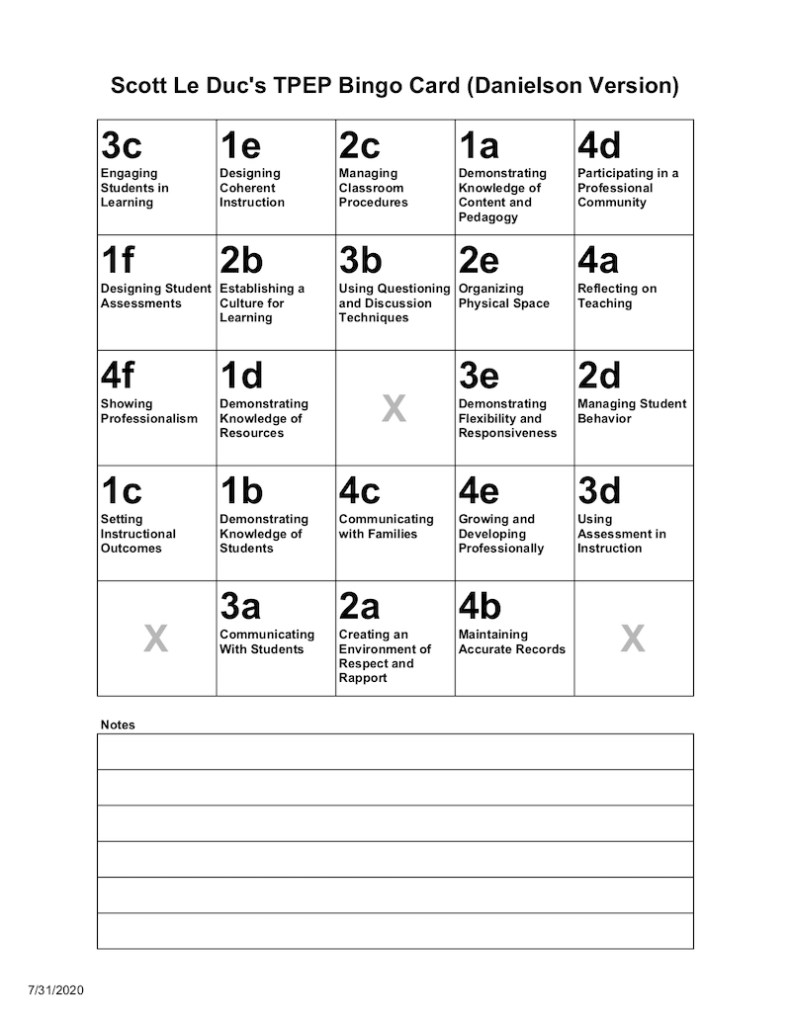
- SIMPLE TPEP Bingo Card – Danielson (above) (PDF)
- DETAILED TPEP Bingo Card – Danielson (has the State 8) (PDF)
- Playing bingo with standards is a great way to activate the gaming mentality in students/teachers – get them looking, searching in your curriculum – doing is learning!
Contribute to the 21st Century Skills Treasure Hunt
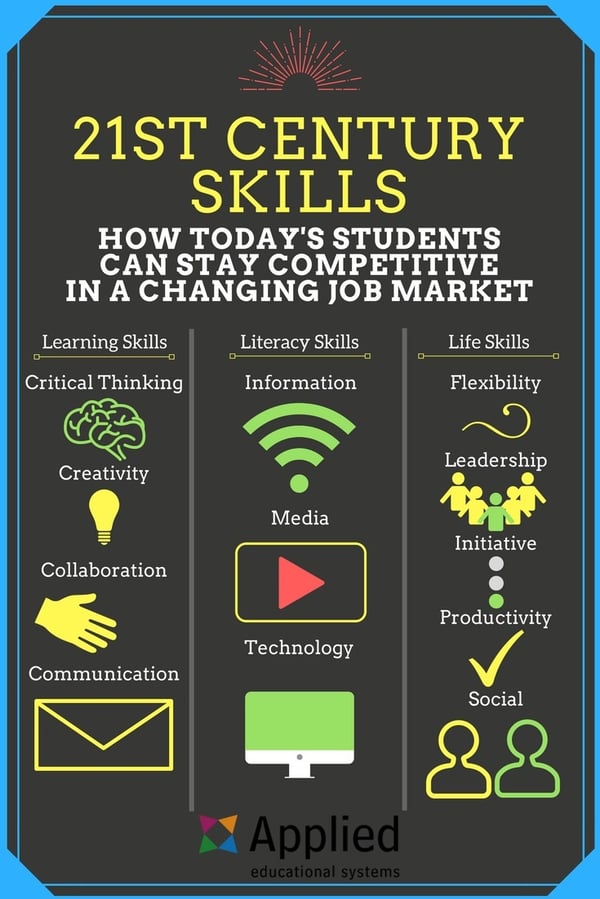
- Gather ideas for 21st Century Skills structure and process through students building and presenting presentations collaboratively
- Add your ideas to your TPEP Bingo Card or Our Session Padlet Parking Lot
- Research 21st Century Skills
Endure Scott Le Duc’s Introduction

- Decide whether he is credible, or not
- Started teaching CTE Arts and Technology in 1996 at Capital High School in Olympia, WA
- Achieved National Board Certification in CTE (2014)
- Selected as one of the top presenters at numerous CTE conferences
- He stuffed the ballot box! – shhh…
- Can moonwalk and touch his tongue to his nose
- Known to be a nice guy, occasionally
Contemplate Scott’s Presentation Goal

Designed with Andragogy for the ADULT Mind
- Need to know: Adults need to know the reason for learning something.
- Foundation: Experience (including error) provides the basis for learning activities.
- Self-concept: Adults need to be responsible for their decisions on education; and involvement in the planning and evaluation of their instruction.
- Readiness: Adults are most interested in learning subjects having immediate relevance to their work and/or personal lives.
- Orientation: Adult learning is problem-centered rather than content-oriented.
- Motivation: Adults respond better to internal versus external motivators.
Remember, Andragogy can be for Young ADULT Minds, too!

Infused with Bloom’s Taxonomy Verbs

- For a more detailed description of Bloom’s Taxonomy examine the Model Questions and Key Words PDF
- Examine 126 Bloom’s Taxonomy Verbs For Digital Learning
- Scott’s Rubric Builder (help Students Build Rubrics with Bloom’s Verbs)
- REDO – No evidence of standard
- LIST the stages and procedures used in the recording process. APPROACHING STANDARD
- DESCRIBE the stages and procedures used in the recording process. MEETS STANDARD
- DEMONSTRATE the stages and procedures used in the recording process. EXCEEDS STANDARD
Example of a Bloom verbs-based rubric where the ‘standard verb’ was ‘describe’ with the lower level verb was ‘list’ and higher level verb was ‘demonstrate’
Contemplate That The Brain Can Only Absorb What The Butt Can Endure

Contact Scott for Information, Resources, and Training
- sleduc@osd.wednet.edu (Olympia School District)
- scottleduc@gmail.com (Personal)
- Scott’s presentation social bookmarks at Diigo.com
- Scott’s Capital High School site
- Scott’s Capital High School Blog – CapitalComTech.info (Curriculum)
Get On With It!
Why?
- The better we understand our students, the better they engage and perform.
- Read https://www.fastcompany.com/36861/you-have-start-meeting
#1 is… 3c Engaging Student Learners (Danielson description PDF), example student behaviors below:
- Students take the initiative to improve the lesson by (1) modifying a learning task to make it more meaningful or relevant to their needs, (2) suggesting modifications to the grouping patterns used, and/or (3) suggesting modifications or additions to the materials being used.
- Students have an opportunity for reflection and closure on the lesson to consolidate their understanding.
- Students are asked to write an essay in Hemingway’s style and to describe which aspects of his style they have incorporated.
- Students determine which tools (e.g., a protractor, spreadsheet, or graphing calculator) would be most suitable for solving a math problem.
- A student asks whether they might remain in their small groups to complete another section of the activity, rather than work independently.
- Students identify or create their own learning materials.
- Students summarize their learning from the lesson.
GETTING TO KNOW YOUR STUDENTS
The following steps are what I do in class…
Teacher Preparation
- Session Calendar
- Read the Edutopia article: https://www.edutopia.org/article/boosting-students-self-efficacy
- Watch Simon Sinek on Start with Why
- Take pictures of students
- Print out all images in thumbnails for tracking student choices; attendance, communication, work quality, on-task and on-time behavior

- Print pictures 8.5×11 with this template on the back
- Have students fill in as you work through the topics
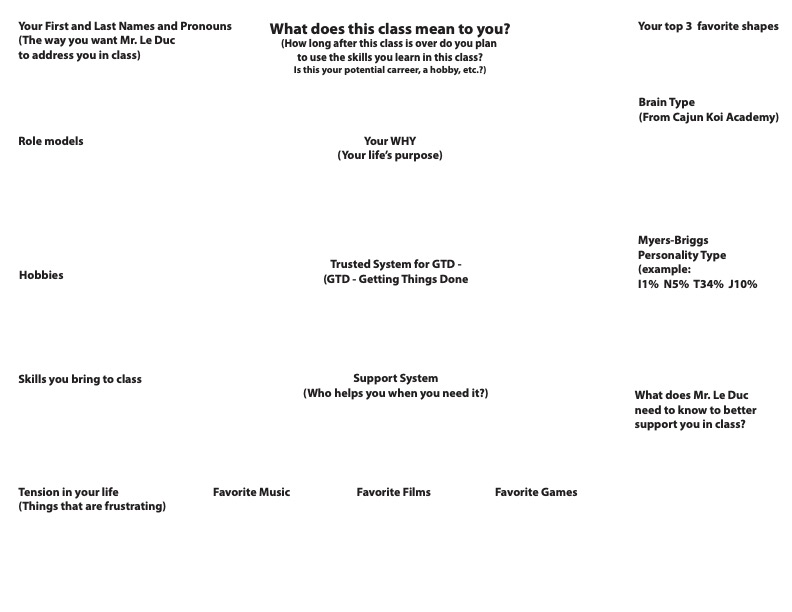
Personality Card Example

Before you start this project make sure you have…
- Created an account at Edublogs.org. You will be using your blog to ‘turn in’ student work.
- Use Mr. Le Duc’s invite code: https://edublogs.org/?join-invite-code=7754077-mrleduc
- Create a site title and URL, pick what you want just don’t use your last name
- Review examples of blog URL’s and usernames: hellokitty.edublogs.org or summerschoolrocks.edublogs.org

- Watch this nice tutorial to help you understand how it works: https://www.youtube.com/watch?v=fv0aKypLi4Q
- You can also review help.edublogs.org/getting-started-with-edublogs/
- I will train you in more detail about blogging later.
- Just make the account now.
- Emailed Mr. Le Duc, scott.leduc@tumwater.k12.wa.us, your Edublogs.org web address like hellokitty.edublogs.org
- Rejoice! You now have the beginning of a professional portfolio!
This project will take you about 75 minutes to complete – maybe less …
Watch the Project Summary Video (9:31 minutes)
- Below are a series of steps for you to make a personality card. This card will help the teacher build the course and tailor the content to your personal and professional goals. It is the most important project of the course.
- Record the information from each step (write it down, take a picture of it, etc.)
- You will need it to make your card with an online cardmaker
- You will need it to fill in the student information survey in step 10 below
1. Watch Know Your WHY by Michael Jr. (3:49 minutes)
2. Write a few things that define your WHY (about 3 minutes)
- We will use these to help build the course around your WHY’s
- If you do not write your WHYs, we cannot start the class, as we will have no PURPOSE for the class
- You will add these to the class survey, linked at the bottom of this project
3. Take These 3 Surveys/Quizzes (about 20 minutes)

Survey/Quiz Links
Help reveal elements of your Personality Type and things about you based on Shapes
- Myers-Briggs Personality Type Quiz
- If you want to, explore more about the communication styles at humanmetrics.com website
- Shape Theory Test
- Pick your favorite 3 shapes, don’t think too hard, just look at them and decide which is your favorite, second favorite, and third favorite
4. Record Information From Surveys/Quizzes (For the Survey and Card)
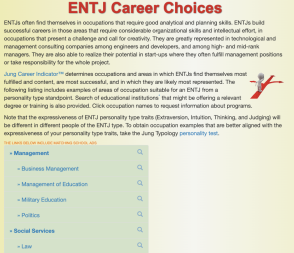
- From the Myers-Briggs Quiz, an ENTJ example is included below

- Take a screenshot on a Mac
- Hold down these three keys on a Mac: COMMAND + SHIFT + 4 then drag over the area you want to take a screenshot picture of on the desktop with the mouse
- This will give you a picture of your survey results on the desktop
5. Determine your Brain Type According to Cajun Koi Academy
Jim Kwik and the C.O.D.E. Personality and Brain Type Quiz

Optional: Watch 3 Motivation Styles Determined by Personality
6. Pick a Career Pathway That Interests You (about 10 minutes)
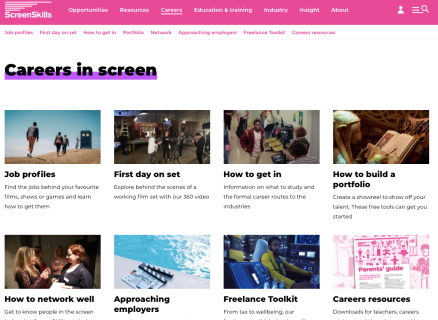
- Review the CreativeSkillSet.org
- Choose a career path that seems interesting to you NOW, you can change your mind anytime!
- Write a few things that you found interesting
- Also, review your personality type career page
- Click on the link below and replace the four letters ‘ENTJ’ with your four letters and reload the page
- http://www.humanmetrics.com/personality/ENTJ-careers
- The information can be helpful!
7. Fill in The Student Information Survey (about 10 minutes)
8. Take a Picture of Yourself (It will not be published publically) (about 5 minutes)
- Face a window in your home
- Have the light from outside illuminate your face
- Daylight is very flattering for skin tones
- Crop the picture in horizontal / portrait mode (wider than taller)
- Fill the frame with your face, get close to the camera/phone/etc.
- Hold steady and take a few shots to pick your favorite
- You will need this image on the computer you are making the personality card
9. Watch One of the Pokemon/Magic/YuGiOh/TradingCard Screencast Tutorials (about 3-4 minutes)
Pick the type of card you would like to make (Pokemon, Magic, or YuGiOh)
10. Copy the survey/quiz results into your card template. (about 10 minutes)
Include:
- First, last name, pronouns (How you want to be addressed in class)
- Picture of yourself
- 4 Myers-Briggs (INTJ-like stuff) categories and their percentage
- Top 3 favorite shapes (Square, Triangle, Rectangle, Circle, Squiggly)
- Your motivational style; air, fire, or earth
- Some career choices, at this point in time
- Some hobbies you have
Open the image below in a new tab to guide you with filling in the card maker fields
11. Save Your Card to Your Desktop and Email to Mr. Le Duc (about 3 minutes)
- Click and drag the finished card from the CardMaker Web Site to your desktop
- Rename the image of your card with your last name and place it in the class folder or email it to Mr. Le Duc
- Mr. Le Duc’s Capital High School email address: sleduc@osd.wednet.edu
12. Celebrate! (take your time and enjoy!)
- You have just finished the most important assignment for the class!
Kagan Differentiation Numbers
Read this article about grouping students for best peer and teacher support
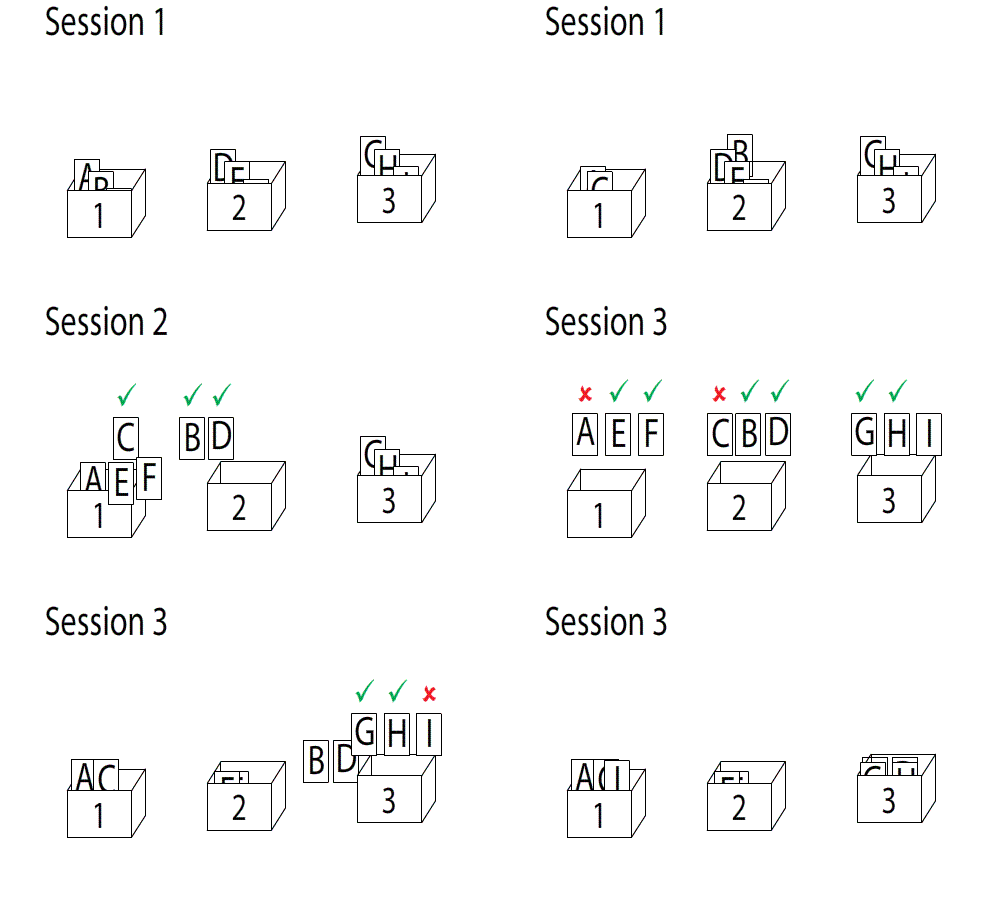
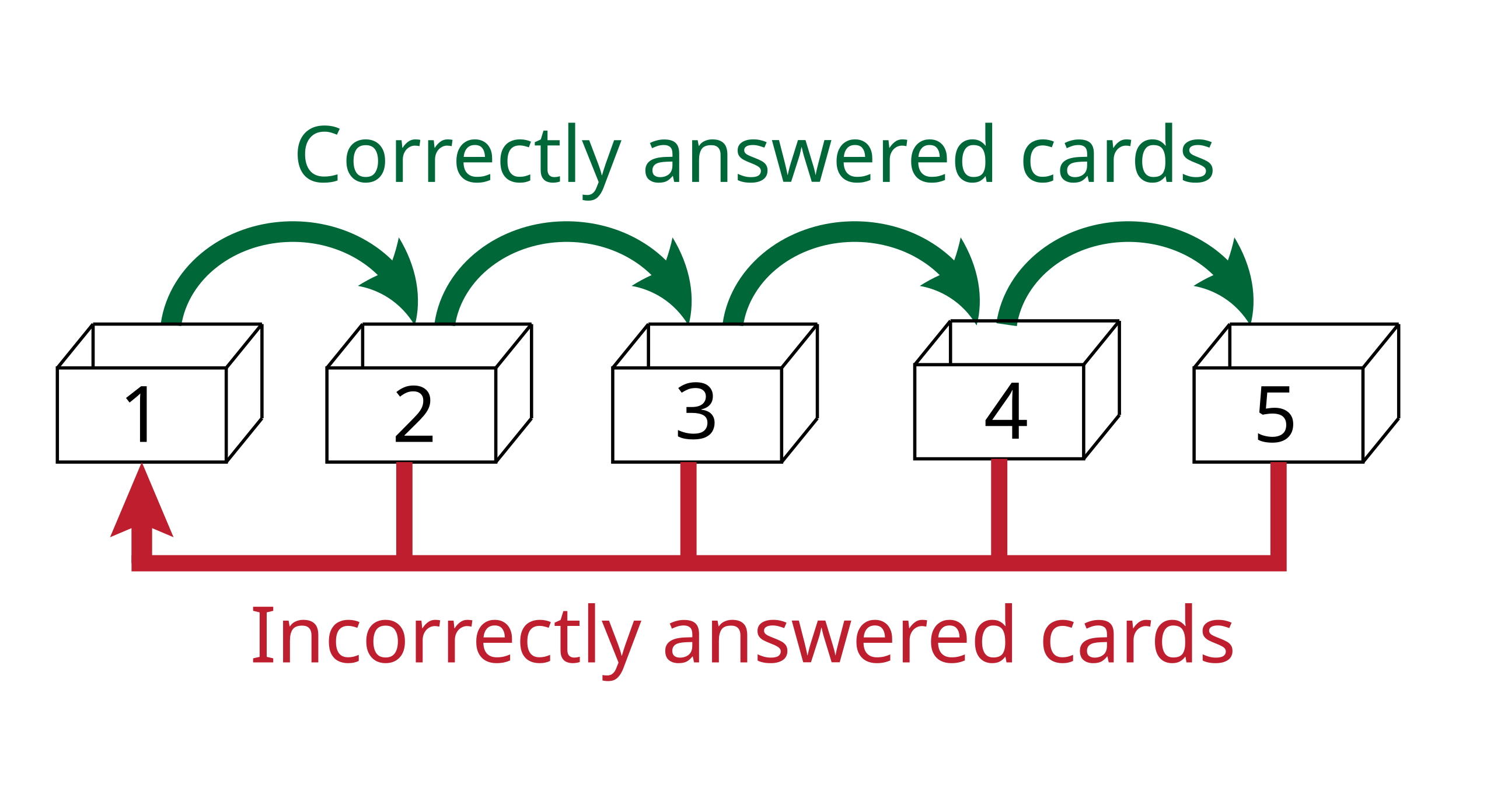
Leitner System
Read about memorizing the student information quickly and more permanently
https://en.wikipedia.org/wiki/Leitner_system
 Scott Le Duc
