
Being The Best Teacher Ever!

CC image best teacher by N Veenstra at Flickr

Why do we do what we do? How do we do it better? At least with teaching and learning. Join Scott to discuss simple, effective tools to better inspire and engage students, create learning activities, and measure student knowledge. All this in a fun interactive question and answer style!
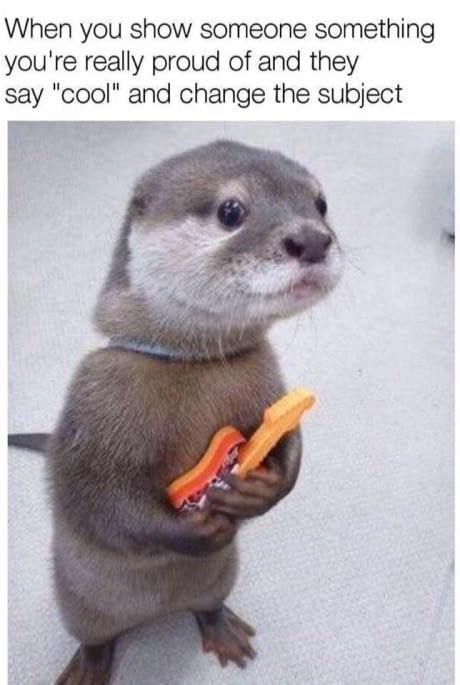
We never want this for our students!

Image from https://www.memedroid.com/memes/detail/2284542/Proud-and-disappointed-otter

Contribute to the Pre-session and TPEP Survey

  • Take the Presentation / Session TPEP Prioritization Agenda Survey
    • This is a standards-based presentation/session
    • Gathering data from students/teachers can help you prioritize the most engaging content
  • Scott placed the TPEP standards which are based on the Danielson Model in a Google Form
    1. What would you like to learn from this session?
    2. What domains and components (Standards) would you like highlighted through this session?
    3. Data gathering is essential for tracking growth, help Scott differentiate the experience to your needs

Review Participant Data To Set Session Goals

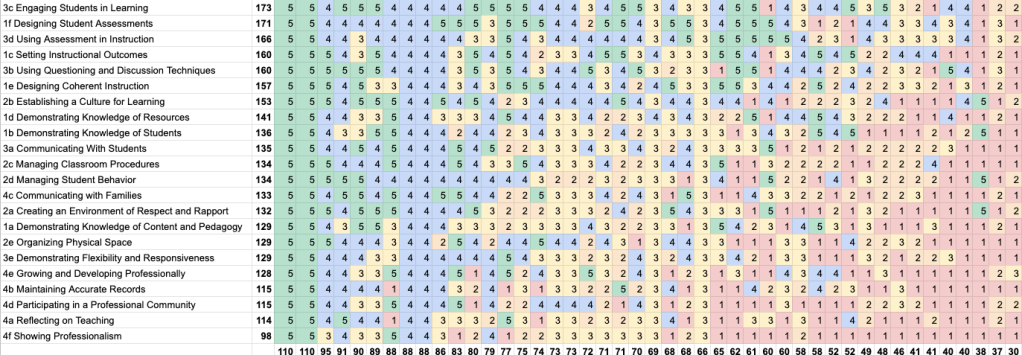
Top TPEP Requested Component…

  • #1 is… 3c Engaging Student Learners (Danielson description PDF), example student behaviors below:
    • Students take the initiative to improve the lesson by (1) modifying a learning task to make it more meaningful or relevant to their needs, (2) suggesting modifications to the grouping patterns used, and/or (3) suggesting modifications or additions to the materials being used.
    • Students have an opportunity for reflection and closure on the lesson to consolidate their understanding.
    • Students are asked to write an essay in the style of Hemingway and to describe which aspects of his style they have incorporated.
    • Students determine which tools (e.g., a protractor, spreadsheet, or graphing calculator) would be most suitable for solving a math problem.
    • A student asks whether they might remain in their small groups to complete another section of the activity, rather than work independently.
    • Students identify or create their own learning materials.
    • Students summarize their learning from the lesson.

Post to Our Session Parking Lot

  • A Padlet parking lot is a great place for students/teachers to post ideas asynchronously
  • This Workshop’s Parking Lot link: https://bit.ly/PadletParkingLot
  • This Workshop’s Parking Lot QR Code: (Padlet generates one automatically)
Padlet QR Code
Session Padlet Parkinglot QR Code

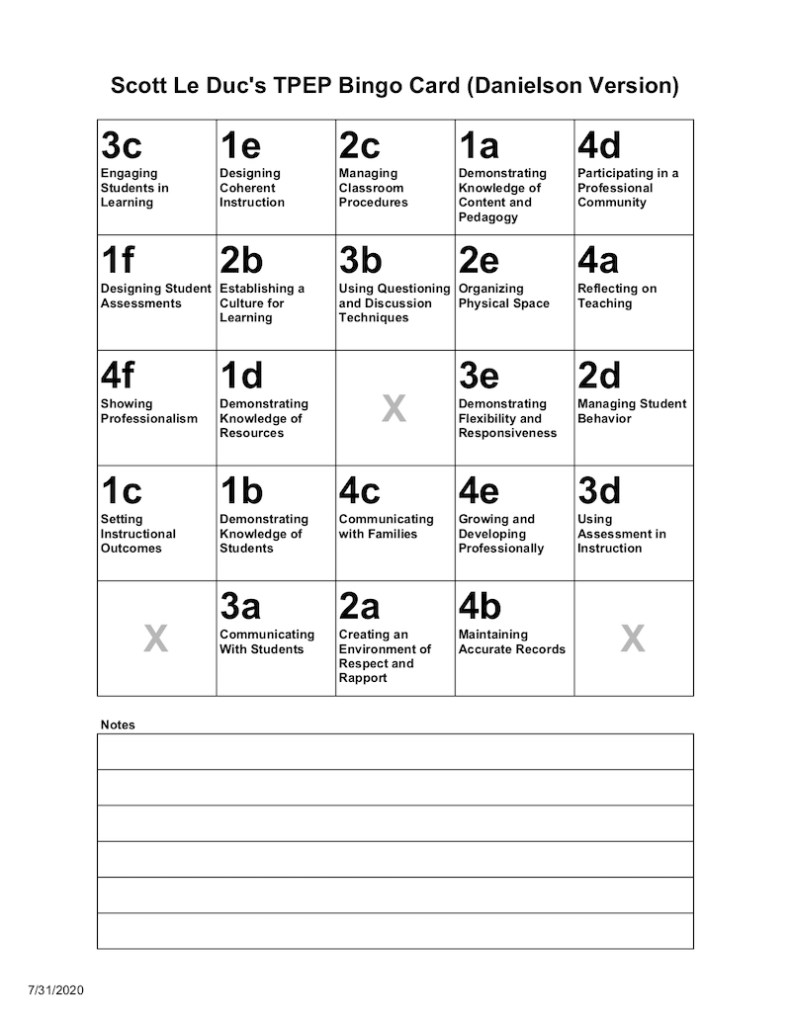
Play Bingo – sort of…

Creative Commons TPEP Bingo Card created by Scott Le Duc

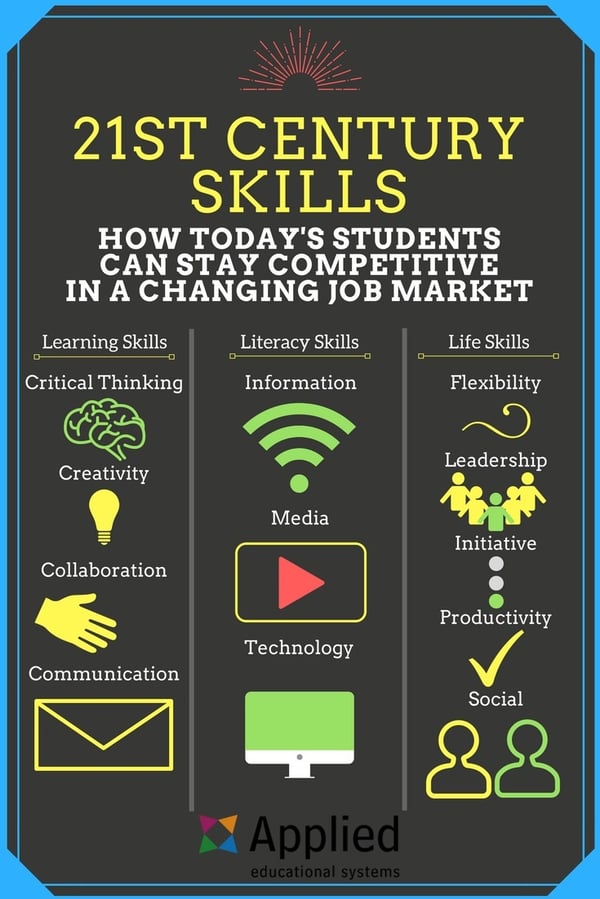
Contribute to the 21st Century Skills Treasure Hunt

Endure Scott Le Duc’s Introduction

  • Decide whether he is credible, or not
    • Started teaching CTE Arts and Technology in 1996 at Capital High School in Olympia, WA
    • Achieved National Board Certification in CTE (2014)
    • Selected as one of the top presenters at numerous CTE conferences
      • He stuffed the ballot box! – shhh…
    • Can moonwalk and touch his tongue to his nose
    • Known to be a nice guy, occasionally

Contemplate Scott’s Presentation Goal

Designed with Andragogy for the ADULT Mind

  1. Need to know: Adults need to know the reason for learning something.
  2. Foundation: Experience (including error) provides the basis for learning activities.
  3. Self-concept: Adults need to be responsible for their decisions on education; and involvement in the planning and evaluation of their instruction.
  4. Readiness: Adults are most interested in learning subjects having immediate relevance to their work and/or personal lives.
  5. Orientation: Adult learning is problem-centered rather than content-oriented.
  6. Motivation: Adults respond better to internal versus external motivators.

Remember, Andragogy can be for Young ADULT Minds, too!

CC image Student girl by verkeorg at Flickr

Infused with Bloom’s Taxonomy Verbs

CC Image from https://www.fractuslearning.com/blooms-taxonomy-verbs-free-chart/
  1. REDO – No evidence of standard
  2. LIST the stages and procedures used in the recording process. APPROACHING STANDARD
  3. DESCRIBE the stages and procedures used in the recording process. MEETS STANDARD
  4. DEMONSTRATE the stages and procedures used in the recording process. EXCEEDS STANDARD

Example of a Bloom verbs-based rubric where the ‘standard verb’ was ‘describe’ with the lower level verb was ‘list’ and higher level verb was ‘demonstrate’

Contemplate That The Brain Can Only Absorb What The Butt Can Endure

CC image by Scott Le Duc

Contact Scott for Information, Resources, and Training

Get On With It!

Why?

#1 is… 3c Engaging Student Learners (Danielson description PDF), example student behaviors below:

  • Students take the initiative to improve the lesson by (1) modifying a learning task to make it more meaningful or relevant to their needs, (2) suggesting modifications to the grouping patterns used, and/or (3) suggesting modifications or additions to the materials being used.
  • Students have an opportunity for reflection and closure on the lesson to consolidate their understanding.
  • Students are asked to write an essay in the style of Hemingway and to describe which aspects of his style they have incorporated.
  • Students determine which tools (e.g., a protractor, spreadsheet, or graphing calculator) would be most suitable for solving a math problem.
  • A student asks whether they might remain in their small groups to complete another section of the activity, rather than work independently.
  • Students identify or create their own learning materials.
  • Students summarize their learning from the lesson.

What?

Brian Eno and Scenius

How?

Rafe Esquith Videos

Rafe Esquith’s Books

Tree of Life, Empathy, and Deming (TQL) in the Classroom

Building a Quality CTE System with Verbs!

1. Identify Standards

2. Group Concept

  • Batch together complementary skills

3. Build Units by Verbs

4. Sequence Units

  • What skills sequence well for building a diverse skill base for problem-solving and creating?

5. Decide on Outcomes

6. Establish Quality – Skills Checklists

7. Establish Quality – Rubrics

8. Apply Quality

  • Decide what rubrics to use for each unit
    • Be careful to only assess the quality that is directly related to your standards
    • Less is more

9. Construct Project Feedback Process

10. Establish Portfolios

Final Thoughts

Creativity=Decisions

Le Duc Whiplash

Creative people make decisions. Lots of them. The more decisions, the more creative. How do many creative people generate brilliant, unique ideas in a short period? What if we could harness this power? Read on and find out!

Pre-session Survey

  • Ask me a question with Google Forms
    • What would you like to learn from this workshop?

TPEP (Danielson format) Survey (Optional)

Post-session Survey

Rationale

  • “The enemy of art is the absence of limitations.” – Orson Welles (BrainQuotes)
    • Intentional limitation is needed to promote and develop ideas.
    • Limit time, material, etc.

Where Good Ideas Come From: Steven Johnson

Scenius, or Communal Genius

How to Get a Great Idea: Matthew Diffee

Story Structure Resources

Step 1 – Brainwrite Ideas on Paper (Introverted)(RIGHT BRAIN)

Rationale: Right-brain creative idea generation is achieved best with little or no technology and distraction. Also having a visual reminder of what you are brainwriting helps keep you focused. People lose focus within 60 seconds if they don’t have a visual reminder in front of them. Technology like cell phones and computers can distract us from idea-generating tasks short-circuiting the creative process. Paper is helpful because it’s quick to use and allows you to write anywhere and anyway to get ideas recorded quickly in a visible medium. This gives introverted people a chance to more freely express themselves.

  • Brainwrite by yourself.
  • Write the main topic in a circle in the middle of the paper and then write down ideas related to the topic quickly around the circle.
  • Write non-stop for three minutes (3:00).
    • Set a timer that is visible to all working on this project.

Step 2 – Brainstorm Ideas (Extroverted) (RIGHT BRAIN)

Rationale: different perspectives can evolve ideas or see patterns or opportunities where another person may not. This gives extroverted people a chance to more freely express themselves.

  • Pitch the brainwritten ideas within a small team.
    • The smaller the better.
    • Too many people can slow down the idea-generation process
    • Look for ways to add/refine your ideas.
  • Do this for five minutes (5:00).
    • Set a timer that is visible to the whole team.
  • Add the ideas to a collectively brainstormed sheet.

Step 3 – Brainwrite a Storyboard (Introverted) (LEFT BRAIN)

Rationale: Storyboarding is a great way to establish your story or the logical flow of an idea. Storytelling is one of the best ways to present ideas and teach. All presentations should teach something to the audience, even in a job interview. By sharing information through a story you give the audience a way to understand the information (right brain context). By writing your storyboard on paper you create a rough draft you can share easily with others to find ways to improve your presentation or story without having to invest a lot of time on the computer before sharing.

  • Storyboard by yourself.
  • Create a storyboard on paper.
    • Fold a piece of paper four times. You will end up with 16 small rectangles on one side of the paper.
    • Use these 16 cells as sample presentation slides, film shots, etc.
  • Organize non-stop your brain-written material in chronological order for three minutes (3:00).
    • Set a timer that is visible to all working on this project.

Step 4 – Brainstorm your Storyboard (Extroverted) (LEFT BRAIN)

Rationale: different perspectives can evolve ideas or see patterns or opportunities where another person may not. This gives extroverted people a chance to more freely express themselves.

  • Pitch the brain written storyboard within a small team
    • The smaller the better.
    • Too many people can slow down the idea-generation process
    • Look for ways to add/refine your ideas.
  • Do this for five minutes (5:00).
    • Set a timer that is visible to the whole team.
  • Add the ideas to a collectively brainstormed storyboard.

Step 5 – Prepare and Present Ideas

Rationale: Voice and body language heavily influence presentation performance. Understanding the principles of effective presentation delivery is fundamental in conveying ideas to others.

Resources

Get Kids Hooked on The Right Drugs

Pre-session Survey

TPEP (Danielson format) Survey (Optional)

Post-session Survey

Introduction

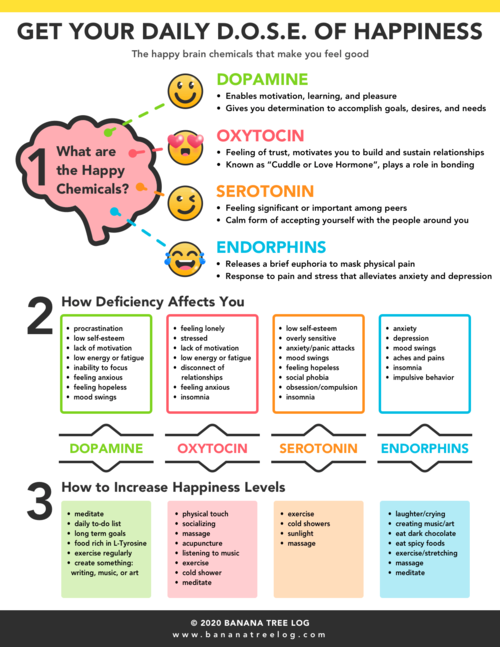
Learning should feel good or better stated, gratifying.  The stronger the emotional response the better the learning retention. Let’s take a look at what chemically happens in the brain when we struggle, succeed, and enjoy what we are doing.

You Need a “DOSE” of These 4 Chemicals

  • Dopamine
  • Oxytocin
  • Serotonin
  • Endorphins
Image from bananatreelog.com

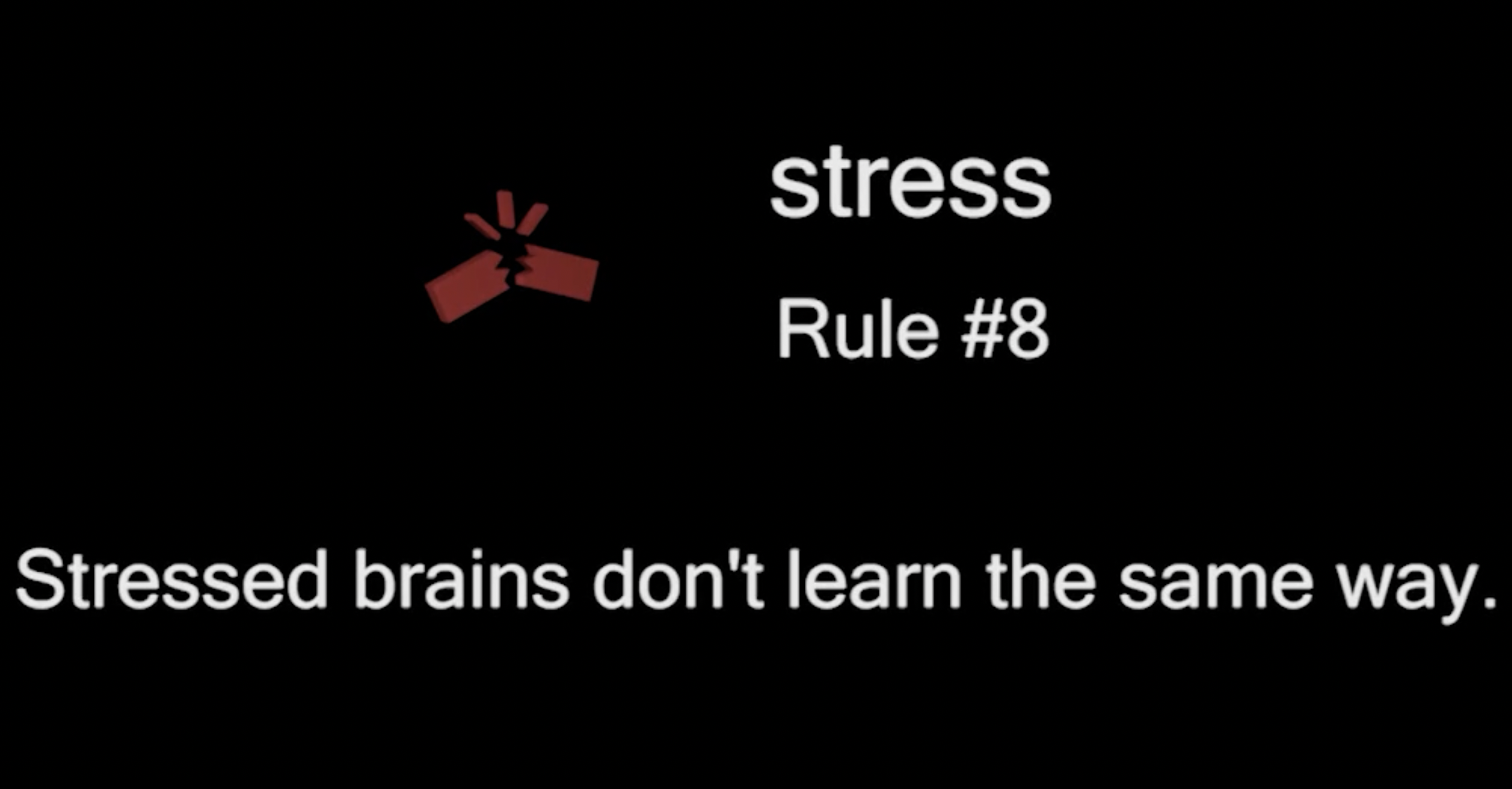
Why? Because Stress Kills Learning and Much More!!!

Brainrules Stress

People Just Want to Be Happy

  • Rhona Raskin of Rhona at Night
    • People will do whatever it takes to be happy

Scott’s Quest for Happiness

  • Age 55 – Never drunk or high (from illegal drugs or alcohol)
  • Age 16 – Took a stance on drugs and alcohol
    • Lost social capital, but…
  • Bicycles across the USA, looking for hero Kerry Livgren
  • Watch and listen to Kansas – Carry on Wayward Son
    • Play the first minute and a half
  • Play scene from Kansas – Miracles out of Know Documentary
    • Start at 53:40
    • About 3 minutes
  • Happiness is found in being of service, giving, and teaching

4 Chemicals That Activate Happiness, and How to Gamify Them

Hacking Into Your Happy Chemicals: Dopamine, Serotonin, Endorphins, and Oxytocin

Positive Brains Are Smarter Brains

Dopamine Resources

  • The Neuroscience Perseverance
    – Psychology Today

    • “Neuroscientists have known for years that dopamine is linked to positive behavior reinforcement and the ‘ding, ding, ding’ jackpot feeling you get when you accomplish a goal. Recently, they have also discovered the specific receptors that link dopamine directly to the formation of good and bad habits.”
    • Read the article to find out more about these:
      1. PICTURE YOURSELF AS A HUMAN “LAB RAT” IN A SKINNER BOX
      2. THE ‘PLEASURE PRINCIPLE’ TRUMPS ‘WILL-POWER’ EVERY TIME
      3. NOT ACHIEVING GOALS DRIES UP YOUR DOPAMINE RESERVES
      4. EXPECTATION AND BELIEF CAN PRODUCE DOPAMINE
      5. BE METHODICAL: CREATE SELF-IMPOSED DEADLINES
      6. TURN A MOUNTAIN INTO “MOLE-HILLS” OF DOPAMINE RELEASE
      7. BE YOUR OWN CHEERING SQUAD: LEARN TO SAY “YES! I DID IT!”
  • The Science of Motivation your Brain on Dopamine – Blog IDoneThis
    • “Motivation is a tricky thing to corral. Tricky, but not impossible.”

Oxytocin Resource

  • Psychology Today on Oxytocin
  • Video About 3:20 minutes
    • http://www.oxytocincentral.com – Oxytocin affects our feelings and emotions, but oxytocin is also a Super-Hero in the way it impacts our bodies. Oxytocin has been linked to more restful sleep. Lower blood pressure. Reduced stress. Less pain. Improved healing. Weight loss. There are many natural methods by which to release a constant flow of oxytocin. Many of these require human contact, such as gentle touches and hugging. There are also oxytocin supplements available which can increase oxytocin levels in our bodies.
  • Study.com – What Is Oxytocin? – Definition, Function & Side Effects

Non-Cognitive Skills Development Resources

Read How Children Succeed by Paul Tough

Dr. Becky Kennedy on What Resilience Feels Like

Happiness Presentations

  • The happy secret to better work by Shawn Achor at TED.com
  • Play the video from 10:05
  • About 2 minutes
  • Heal your brain with video games by Jane McGonigal at TED.com
  • Play the video from 12:00
  • About 7.5 minutes

How to Rewire Your Burned-Out Brain: Tips from a Neurologist

Using Brain Breaks to Restore Students’ Focus

Scott Le Duc’s Resources for Presentation

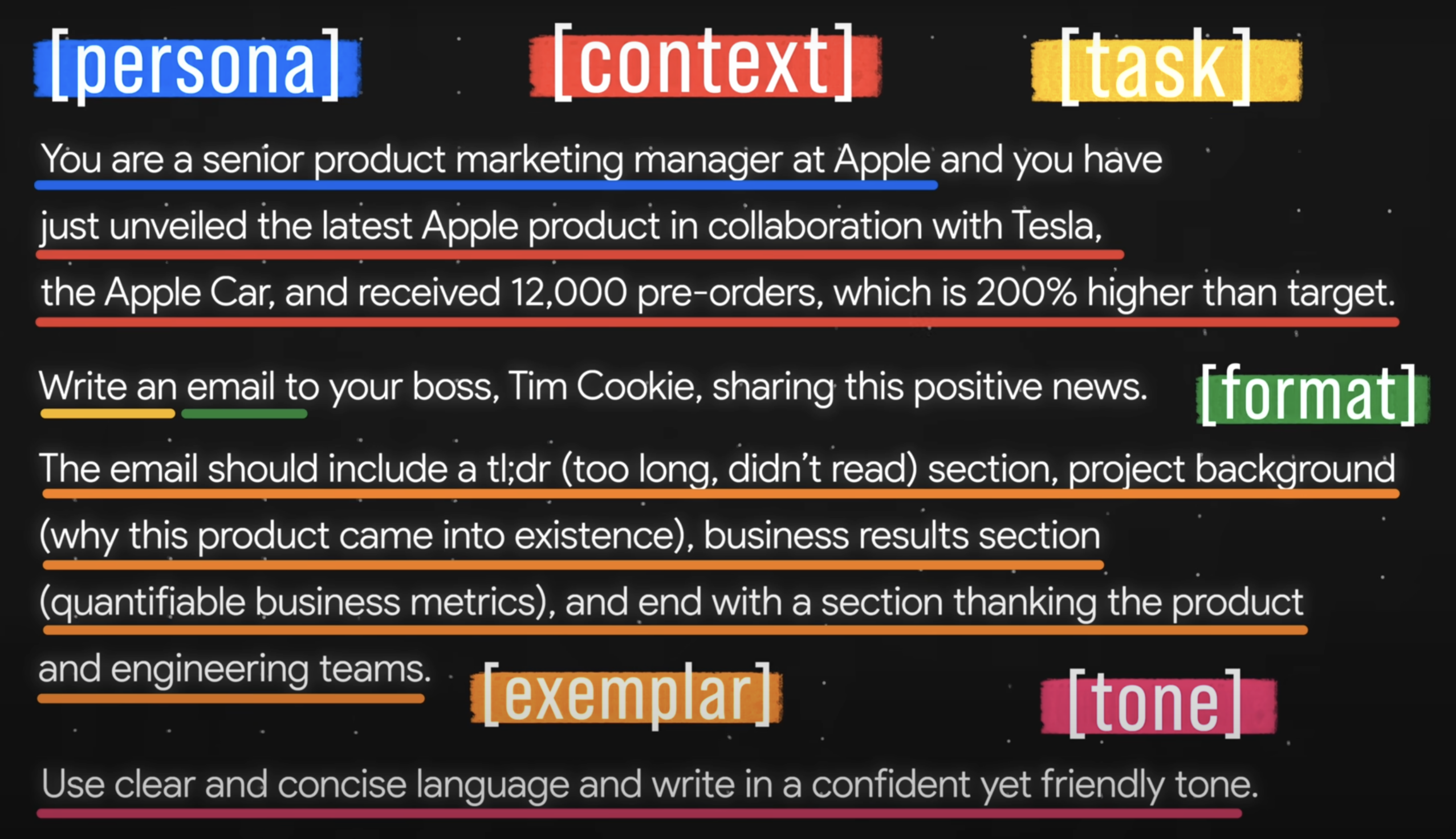
Jeff Su’s Master the Perfect ChatGPT Prompt Formula (in just 8 minutes)!
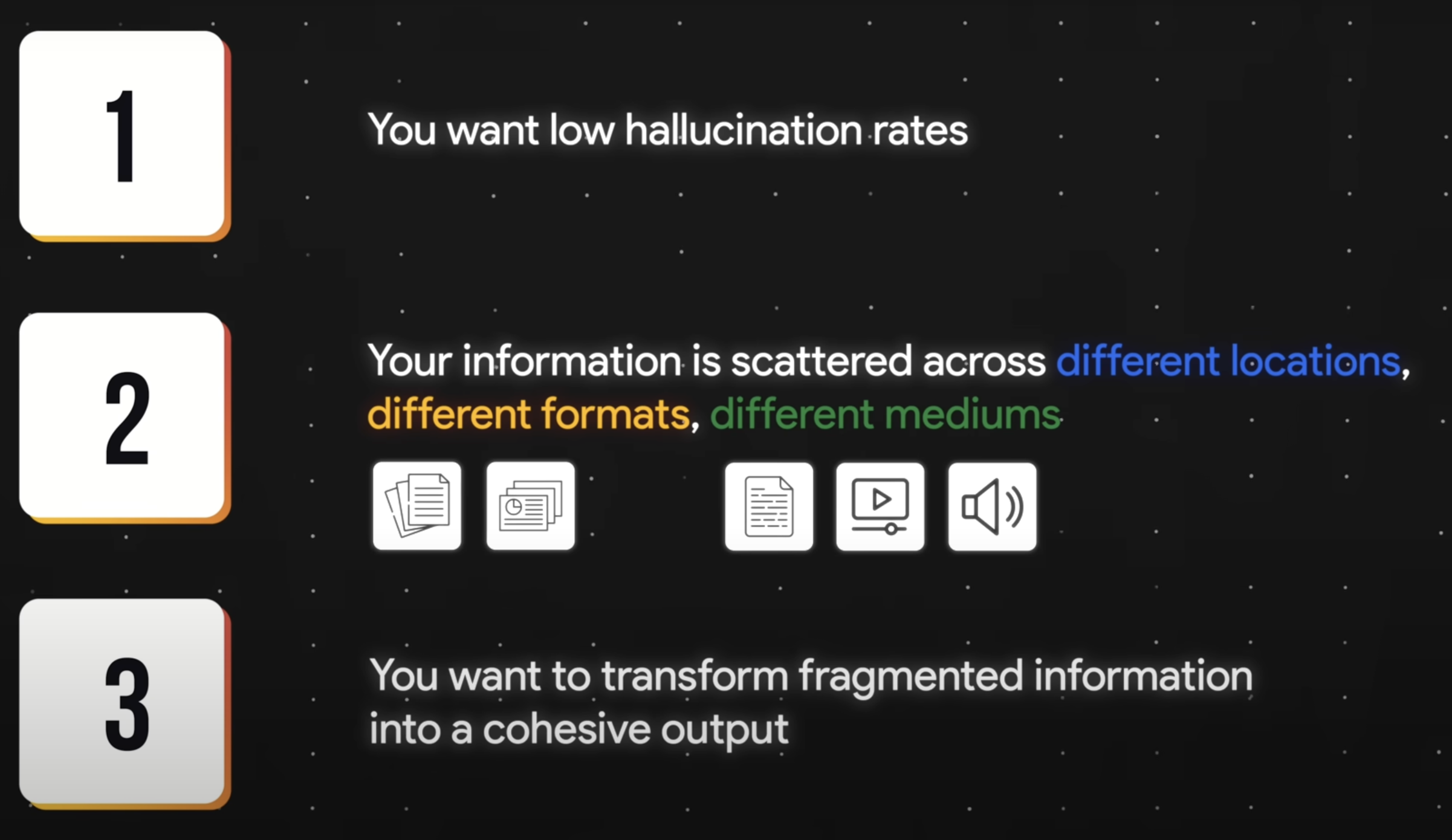
Jeff Su’s Learn 80% of NotebookLM in Under 13 Minutes!
Pre-Session Poll Results

PROMPT: You are a professional presenter and educator. You are presenting at a CTE conference and presenting on how to create better socially and emotionally resilient students. The audience is career and tech teachers. Use the resources in this notebook to create a short bulleted list of material to answer the questions included below from the survey responses from conference session attendees. Here are the poll results…

  • Tips for students who want to use their phone (instead of classroom laptop) for all projects.
  • How do you raise awareness in students without sounding preachy, judgmental and like an adult?
  • The line between teaching life skills and trying to maintain “industry standards”
  • How to get students to be willing to do hard things
  • How to get buy-in in an IB course such as TOK. What is the epistemological drug?

NotebookLM’s Results

Tips for Students Who Want to Use Their Phone (Instead of a Classroom Laptop) for All Projects:

• The provided sources do not contain specific information or tips directly addressing student preferences for using phones over laptops for project work. My material focuses more on the neurochemistry of learning and general engagement strategies.

How to Raise Awareness in Students Without Sounding Preachy, Judgmental, and Like an Adult:

Focus on the “Why”: Explain what chemically happens in the brain when students struggle, succeed, and enjoy what they are doing. This scientific approach helps demystify feelings and actions without judgment.

Highlight the “DOSE” Chemicals: Introduce the concept of Dopamine, Oxytocin, Serotonin, and Endorphins as the brain’s natural “happiness chemicals”. Raising awareness of these allows students to understand how to naturally enhance their well-being and learning.

Emphasize Gratifying Learning: Explain that learning should feel good, or gratifying, because the stronger the emotional response, the better the learning retention. This frames learning as an intrinsically rewarding experience.

Leverage External Expertise and Diverse Media: Utilize TED Talks, educational videos (e.g., Key and Peele TeachingCenter, Shawn Achor, Jane McGonigal), and articles from reputable sources (e.g., Edutopia, Psychology Today, BrainRules.net)…. Presenting information through multiple lenses and voices beyond your own can make it less “preachy.”

Prioritize Frequent, Quality Feedback: Provide frequent feedback, as it leads to quicker and better improvement. This builds a supportive relationship where guidance is perceived as help, not judgment.

Encourage Self-Reflection: Prompt students to reflect on how they structure their day to maximize their production of “DOSE” chemicals, fostering self-awareness and personal responsibility.

Personal Connection (Carefully Applied): Share a relevant, brief personal anecdote that illustrates a concept without imposing beliefs, like Scott Le Duc’s experience with making a stance on drugs and alcohol at age 16 and finding happiness in teaching.

The Line Between Teaching Life Skills and Trying to Maintain “Industry Standards”:

• The sources suggest that teaching life skills, particularly those related to social-emotional well-being, is foundational to achieving “industry standards”.

Happiness and reduced stress are crucial for learning: “Learning should feel good or better stated, gratifying”. “Stress Kills Learning and Much More!!!”3. “Positive Brains Are Smarter Brains”. By fostering a positive emotional state (a life skill), you optimize students’ cognitive abilities, making them more capable of meeting demanding standards.

• The objective of the workshop includes helping educators “Save time and be more efficient” and “Learn about tools to search and organize online content”. These are practical skills that enhance both personal productivity (life skill) and professional effectiveness (industry standard).

“Non-Cognitive Skills Development” is a key focus, with resources like “How Children Succeed” and the Marshmallow Test8. These skills, such as perseverance, self-control, and resilience, are vital life skills that directly impact a student’s ability to engage with complex material, persist through challenges, and ultimately meet rigorous industry benchmarks.

• By focusing on emotional resilience and positive psychological states, we are not diverting from industry standards but rather empowering students with the mental fortitude and intrinsic motivation needed to excel within those standards.

How to Get Students to Be Willing to Do Hard Things:

Leverage Dopamine: Dopamine is directly linked to positive behavior reinforcement and the “ding, ding, ding” jackpot feeling you get when accomplishing a goal. It’s crucial for motivation.

Break Down “Mountains” into “Mole-Hills”: To encourage students to tackle difficult tasks, turn a mountain into “mole-hills” of dopamine release. Break large, challenging assignments into smaller, achievable steps. Each completed step provides a sense of accomplishment and a dopamine boost, fueling further effort.

Harness the “Pleasure Principle”: Understand that “the ‘pleasure principle’ trumps ‘will-power’ every time”6. Design tasks or feedback loops that make progress feel inherently rewarding.

Cultivate Expectation and Belief: “Expectation and belief can produce dopamine”. Help students visualize success and believe in their ability to achieve it, even when the task is hard.

Celebrate Small Wins: Encourage students to “Be your own cheering squad: Learn to say ‘YES! I DID IT!” after completing each “mole-hill”. Celebrating progress reinforces the behavior.

Minimize Stress: Remember that “Stress Kills Learning and Much More!!!”. If doing hard things feels overwhelmingly stressful, it will inhibit engagement. Strategies to reduce stress, such as fostering restful sleep and potentially incorporating social connections (Oxytocin), can help.

Develop Non-Cognitive Skills: Resources like “How Children Succeed” highlight the importance of grit and perseverance, which are essential for tackling difficult tasks.

How to Get Buy-in in an IB Course Such as TOK. What is the Epistemological Drug?

Getting Buy-in:

    ◦ Make Learning Gratifying: The core principle is that “Learning should feel good, or better stated, gratifying”. For TOK, this means finding ways to make the exploration of knowledge itself rewarding.

    ◦ Strategic Use of “DOSE” Chemicals:

        ▪ Dopamine: Provide clear, incremental “goals” in TOK activities (e.g., mastering a knowledge claim, successfully leading a discussion, making a strong argument). Each accomplishment should trigger that “jackpot feeling”. Break down complex epistemological inquiries into smaller, manageable steps.

        ▪ Oxytocin: Foster a supportive, collaborative classroom environment. Building trust and connection among students can increase comfort in sharing diverse perspectives, crucial for TOK discussions. Oxytocin also contributes to reduced stress.

        ▪ Gamification: Consider how to gamify aspects of TOK to increase engagement and dopamine release.

    ◦ Focus on Positive Brains: “Positive Brains Are Smarter Brains”5. Creating an environment where students feel positive about the challenge of TOK will lead to better engagement and understanding.

    ◦ Frequent Feedback: Regular, constructive feedback helps students feel supported and understand their progress in a complex course, encouraging continued engagement.

What is the “Epistemological Drug”?

    ◦ Drawing from the workshop’s central theme, the “epistemological drug” refers to the natural “DOSE” chemicals—Dopamine, Oxytocin, Serotonin, and Endorphins—that make the process of acquiring and understanding knowledge feel inherently gratifying and rewarding.

    ◦ It’s about the neurochemical high you get from intellectual discovery and mastery.

    ◦ Specifically, Dopamine is key here, as it’s linked to the “jackpot feeling” of accomplishment and is produced by expectation and belief. When students anticipate and achieve a deeper understanding of knowledge (epistemology), their brains are rewarded with dopamine, making the pursuit of knowledge addictive in a positive way.

    ◦ The overall aim is to “hook” students on the intrinsic satisfaction and happiness derived from engaging with complex ideas and achieving intellectual breakthroughs in TOK, much like the brain’s reward system for other positive experiences.

Thank you for your engagement and insightful questions. I hope these points provide a valuable framework for fostering resilience and deeper learning in your CTE programs.
Post-session Survey

Who Cares? – Building Your Class Around Quality

6779845035_e1981ffa36_b

LTHE : Learn – Teach – Help – Enjoy / FOSS” by tatadbb is licensed under CC BY-SA 2.0.

Pre-session Survey

  • Ask me a question with Google Forms
    • What would you like to learn from this workshop?

TPEP (Danielson format) Survey (Optional)

Post-session Survey

Introduction

How do we get students to care? To be engaged? How do we move from apathy to passion?

These questions have many answers, but to affect real, lasting change structural and philosophical changes need to be made in the classroom. Two approaches:

  1. Examine The Tree of Life exercise to get a better understanding of who we are and where we are in our Scenius
  2. Examine structures in our lives that empower and impede us
    • Ideas are detailed below in the embedded videos and notes taken at the Deming Institute in Seattle in November of 2015.

Tree of Life

Deming on Grades and Performance

w._edwards_deming

Image from Wikipedia

Deming explains ranking and grades


Notes from The Deming Institute
Seattle Nov. 6-8, 2015

Scott Le Duc at Deming Institute at CedarBrook Lodge in 2015

David P. Langford, senior education facilitator and Advisory Board member for The Deming Institute and CEO of Langford International, Inc, set the stage for understanding the foundation of the Deming approach applied in education. He explained the methodology and showed documentation of how Deming theory is affecting all levels of learning worldwide.

Working directly with Dr. Deming before he died in 1993, Mr. Langford developed a powerful understanding of how to put into action processes that inspire innovative and visionary world-class learning in classrooms, schools, districts, and universities.

The notes below were taken by Scott Le Duc at the conference.

Mr. Le Duc also posted images and comments on Twitter ( or X ) #Deming2015

Cedarbrook Lodge, Seattle Nov. 6-8

          • 27:40 System
            • What system are we working within?
            • Do they empower or neutralize power?
            • Seldom do we ask what is wrong with this system that is producing poor results? – Change it!
            • In the name of trying to make things better, often make it worse – don’t create games for kids to play in a system
          • 28:57 Theory
            • What is your theory of education?
            • Many people don’t have a clear theory
            • Many theories are based on unfounded ideas
            • “Bonus” thinking narrows: What do I need to do to get an “A”?
            • Dr. Deming said most people don’t know what their job is
            • STORY: Tardy Czar at Texas high school
            • STORY: Where do we get numbers for tardies, consequences, etc. – Deming answered:  séances (Joke: Langford called them board meetings)
            • What is the grading scale based upon? Is it a game? Play the game or else
            • Langford’s son’s rationale that he could go skiing 9 times during a semester
          • 37:40 Variation
            • What does data-driven mean?
            • What is the data telling you?
            • What are going to do with it?
            • Where is it coming from?
            • Do we understand the variability within the data?
            • What’s the average performance?
            • JOKE: Many teachers have taken a vow of statistical abstinence
            • JOKE: Teacher says, ‘I don’t do numbers.”
          • 39:32 Psychology
            • Do we really understand the psychological effects of our policies?
              • Tardy policies – 3 absences allowed – why?
            • Why are we learning this?
              • If we say to pass the test, it’s not learning, it’s the game of school
            • Fundamental attribution error
              • attributing a fault or defect to the individual without first understanding what is going on systemically
            • Easy to blame the students for being unmotivated and failure
            • There really isn’t extrinsic motivation, it’s extrinsic activation
              • An individual can be activated if the punishment or reward is strong enough
              • As soon as the activation is taken away the behavior goes right back to where it was before
            • Humans are born with about 100 billion neurons
            • The brain will only make neural connections for survival
              • Cramming for the test is short-term survival
          • 44:22 Brain Research
            • Neural Science and Deming video (4:25) – JW Wilson
            • JW Wilson presents activating the learning code in the video toward the bottom of this blog post
            • Where are the students going after they leave school?
            • We want students who will add value to society
            • When Langford started at Mt. Edgecombe only 2% of students who graduated finished college
            • When he left the school they were up to 60% and recently he said they were to 80%
            • Developing student capacity to be successful is the goal
            • Some universities have freshmen dropout rates as high as 60-70%
              • Students don’t know how to think, plan, change situations, or adapt to the current situation
          • Sample Hand at Instagram
            • I drew mine backward, systems should be on the thumb
        • 50:26 EXERCISE: Trace the other hand – INTRINSIC MOTIVATION
          • How do you change extrinsic motivation into intrinsic motivation so people want to do the work?
          • Deming Intrinsic Motivation Hand
          • 51:15 Naval Academy story – because it will be on the test
          • 53:59 EXERCISE: Try to move the person next to you with one finger
            • Doesn’t work
            • Take all fingers and make a fist
              • Now you can make someone move
              • This is what happens in systems
                • If you change only one thing (one finger) it’s hard to make a change, but with all parts (fist) you can make a change
          • 55:34 Control / Autonomy
            • Teachers can be control freaks
            • Langford was a band teacher
            • Drive out fear
              • No public humiliation
              • Fear is an extrinsic motivation
            • Most asked questions: All student questions come to
              1. What are we doing?
              2. How are we doing it?
              3. Why are we doing this?
            • The Deming way is to think, how can I run the class so kids don’t have to ask these questions
            • Ungrateful (Students/Teachers) Syndrome
            • Stop planning FOR people and start planning WITH them
            • Takes, at a minimum, 19 days to break a neural network pattern, habit
            • Whole lot more fun to plan WITH people, not FOR them
              • Shift the workload to everyone, not just you
          • 1:03:36 Cooperation
            • Ask the question: Do we need other people to get results?
            • We need other people to get results
            • Cooperation is built into the human genome
            • If you want to see people get much more intrinsically motivated, change the cooperation level
            • QUESTION: Do you actually need other people to reach your result?
            • Traditionally in education, we isolate students
            • Deming said if you want to achieve at a much higher level, teach people to cooperate at a much higher level
            • Took Michael Jordan 5 to 6 years to realize that he was on a team
            • Mt. Edgecombe did integrated projects across departments that had long-term results
            • Robot basketball doubled student interest in the program, STEM before STEM
            • Early Internet messaging to help each other
            • Special needs students learned to advocate for themselves and ask for help
          • 1:09:39 Support
            • STORY: Employee of the Month story
              • Don’t have student/employee of the month
              • Outcome: 1 winner and 999 losers
            • Help kids master work
              • Support attends/failure
              • Otherwise, students give up
            • Want them to try and be rewarded for trying by helping to get better
            • QUESTION: Do we have some method for communicating how students are doing?
            • 5 – 10% of kids getting good grades are the ones motivated by grades
              • 90% it is not a motivator
            • Kids de-motivate by saying, ‘What do I need to do to get a “C”
              • They may love sports/music/arts and want to work in their gifted area to get grades so they can keep doing what they love
            • Stop working with words like DEADLINES – has the word DEAD in it
            • Turn deadlines into TARGET DATES
              • What happens if you don’t meet the target date – YOU GET… HELP! 🙂
                • Relentless Help!
            • Understand the neural science – time is the only variable to success
              • Some need more time
          • 1:17:19 Meaning
            • Is it meaningful?
            • If it’s not meaningful, people don’t care
            • If you understand the student’s MEANING NETWORK, you can tie a lot to it
            • EXAMPLE: 4 ft 9-inch passionate basketball player – can tie statistics and other sophisticated math
            • Why are we doing this / learning this?
            • EXAMPLE: Naval Academy cheating scandal
              • What would cause 165 students to cheat?
              • Not defective people, it’s a defective system
              • Students ranked 1 to 1000
              • Rank results in the quality of the post-school assignment
            • EXAMPLE: Retirement center writing project each year
              • High level of meaning for the community, people, and students
            • Need to connect with student interests for them to find meaning
          • 1:21:44 Challenge
            • Is the work challenging?
            • Set too high or low and it demotivates
            • The teacher should be teaching students how manage their own pace and challenge as they go
              • It’s the student’s challenge to meet the target date
              • It’s the student’s challenge to meet the high level of standards
              • The student is going through that
            • Teach students to use Gantt chartsflow charts, and other processes and ways to manage the workload, portfolio assessments, etc.
            • The teacher is going to help the student manage this
            • The whole time students are in a highly cooperative environment, too for more support
            • AND the student is going to have control over the process
          • Sample Hand at Flickr
        • VIDEO: Deming talking about motivation
        • VIDEO: Key & Peele – TeachingCenter
    • Break 10:10 – 15
    • 10:25 – Late Morning Session
    • Lunch 11:45 – 1:00
    • 1:00 Early Afternoon
    • Break 3:15-3:30
    • 3:30 – Late Afternoon

Building a Quality CTE System (HINT: Focus on Verbs!)

Design-for-Quality-CTE-Class-Builder

  1. Identify Standards
  2. Group Concepts
    • Batch together complementary skills
  3. Build Units by Verbs
  4. Sequence Units
    • What skills sequence well for building a diverse skill base for problem-solving and creating?
  5. Decide on Outcomes
  6. Establish Quality – Skills Checklists
  7. Establish Quality – Rubrics
  8. Apply Quality
    • Decide what rubrics to use for each unit
      • Be careful to only assess the quality that is directly related to your standards
      • Less is more
  9. Construct Project Feedback Process
  10. Establish Portfolios

Projects to help Engage Students